Specialist equipment and deployable capability
Equipment built for the terrain standard event medical models struggle to reach
When incidents happen away from roads, tracks and easy vehicle access, the difference is not only clinical skill. It is whether the team has the equipment to reach the casualty, protect them in the environment, and move them safely from difficult ground. That is where Peak Medical and Rescue is built differently.
Built for the opposite environment
Most providers carry medical kit. Fewer carry the equipment needed to make remote casualty care actually work.
At Peak Medical and Rescue, our equipment is not there for appearance. It is selected around a very practical question: what will be needed when a casualty is injured on steep ground, exposed moorland, remote trail, woodland descent or inaccessible race section? This is a key part of why Peak-MR is built differently.
That means combining conventional ambulance capability with mountain rescue equipment, off-road access systems, patient protection equipment and rope rescue capability into a single deployable model.
What this gives organisers: faster reach into difficult terrain, more credible casualty management in exposed conditions, safer extraction options, and less reliance on statutory rescue assets to bridge predictable capability gaps.
Vehicles
Two different platforms for two different access problems
The ability to treat and transport on-road matters. The ability to get off-road in the first place matters just as much.
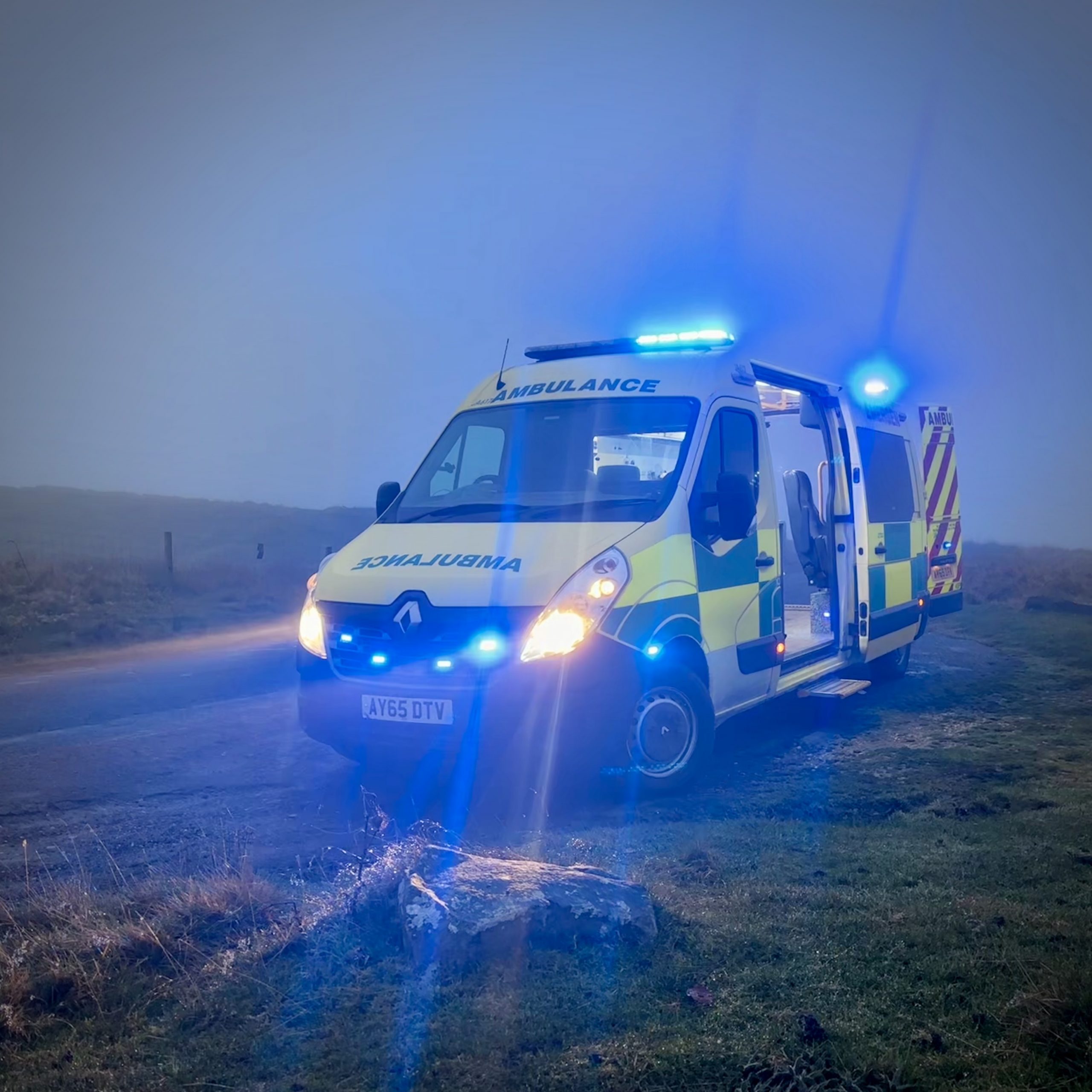
NHS Specification Ambulance
Our Renault Master ambulance provides a proper mobile treatment environment and the ability to transport seriously unwell or injured patients while clinical interventions continue.
This may be considered standard in regulated healthcare, but it remains a genuine differentiator against event providers whose vehicle capability does not extend to full ambulance-level transport and treatment function.
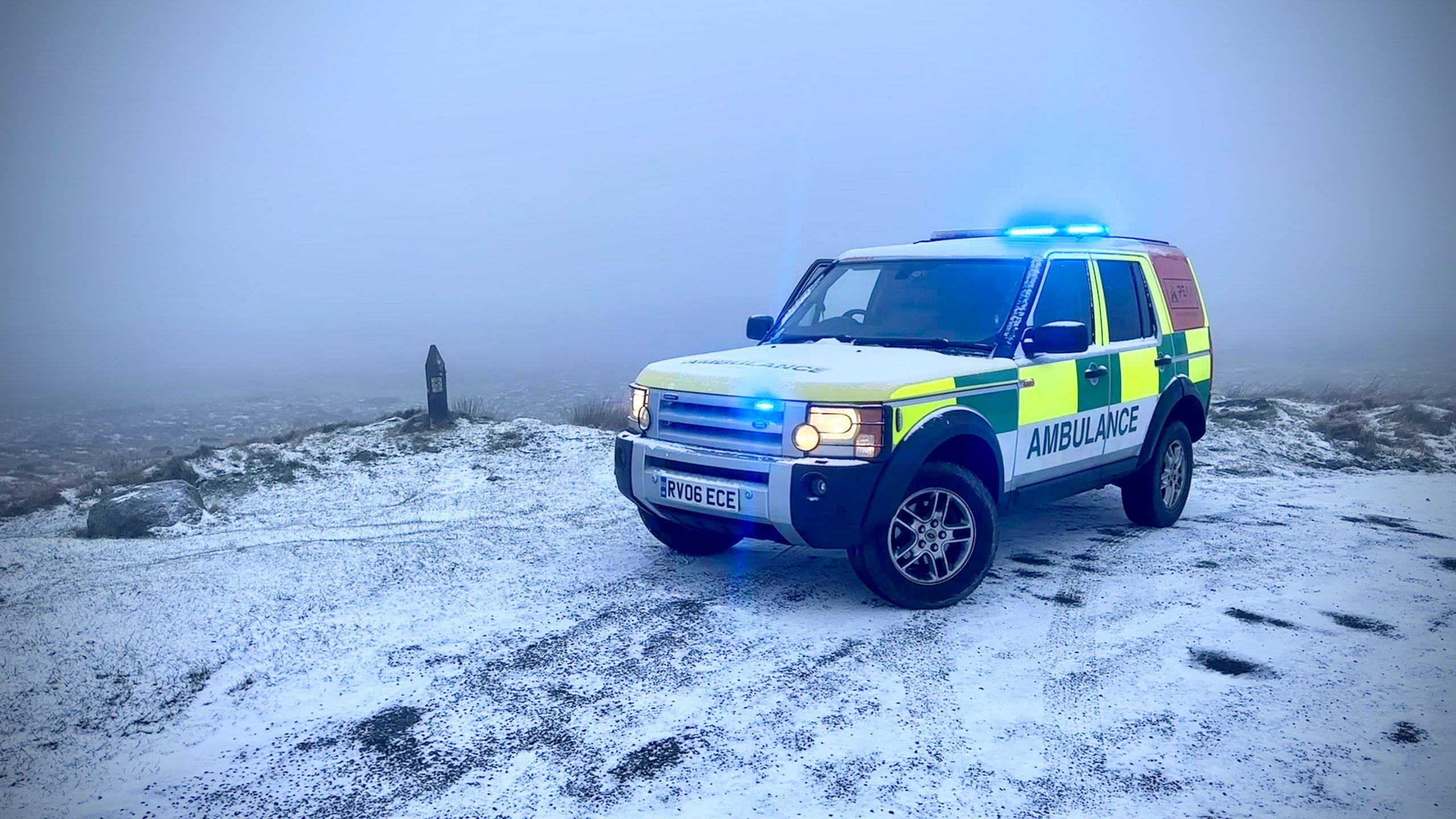
Off-Road Ambulance Capability
Our Land Rover Discovery is configured as an off-road ambulance, allowing us to reach locations standard vehicles simply cannot access safely.
Critically, it includes a factory-fitted stretcher unit designed to secure the compatible stretcher properly. This is a genuine casualty transport solution, not an improvised arrangement with loose equipment in the rear of a 4×4.
Rescue equipment
Mountain Rescue Bell stretcher capability
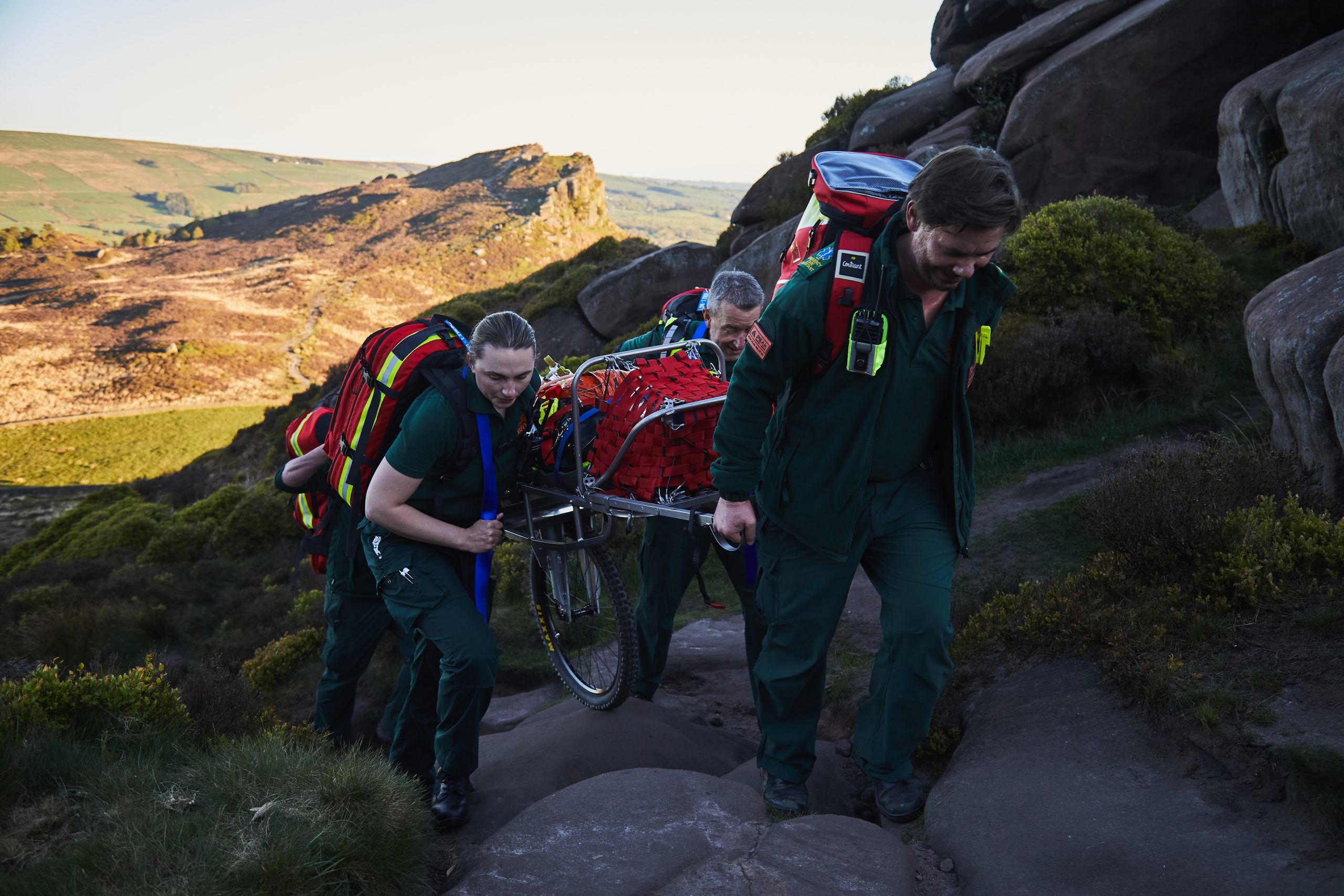
We carry a Mountain Rescue Bell stretcher of the same type used by operational Mountain Rescue teams across the UK. It is purpose-built for remote casualty evacuation rather than straightforward roadside retrieval.
The stretcher splits into two halves for carriage by rescuers with rucksack mounts, allowing it to be taken into locations that would be impossible with conventional stretcher systems and then assembled at the casualty’s side.
Sledge tracks underneath support movement over rough banks and snow, a wheel can be fitted for paths and tracks, and specialist attachment points allow integration into vertical rope rescue systems or helicopter winching.
Why it matters: the evacuation problem begins long before a standard wheeled stretcher becomes usable.
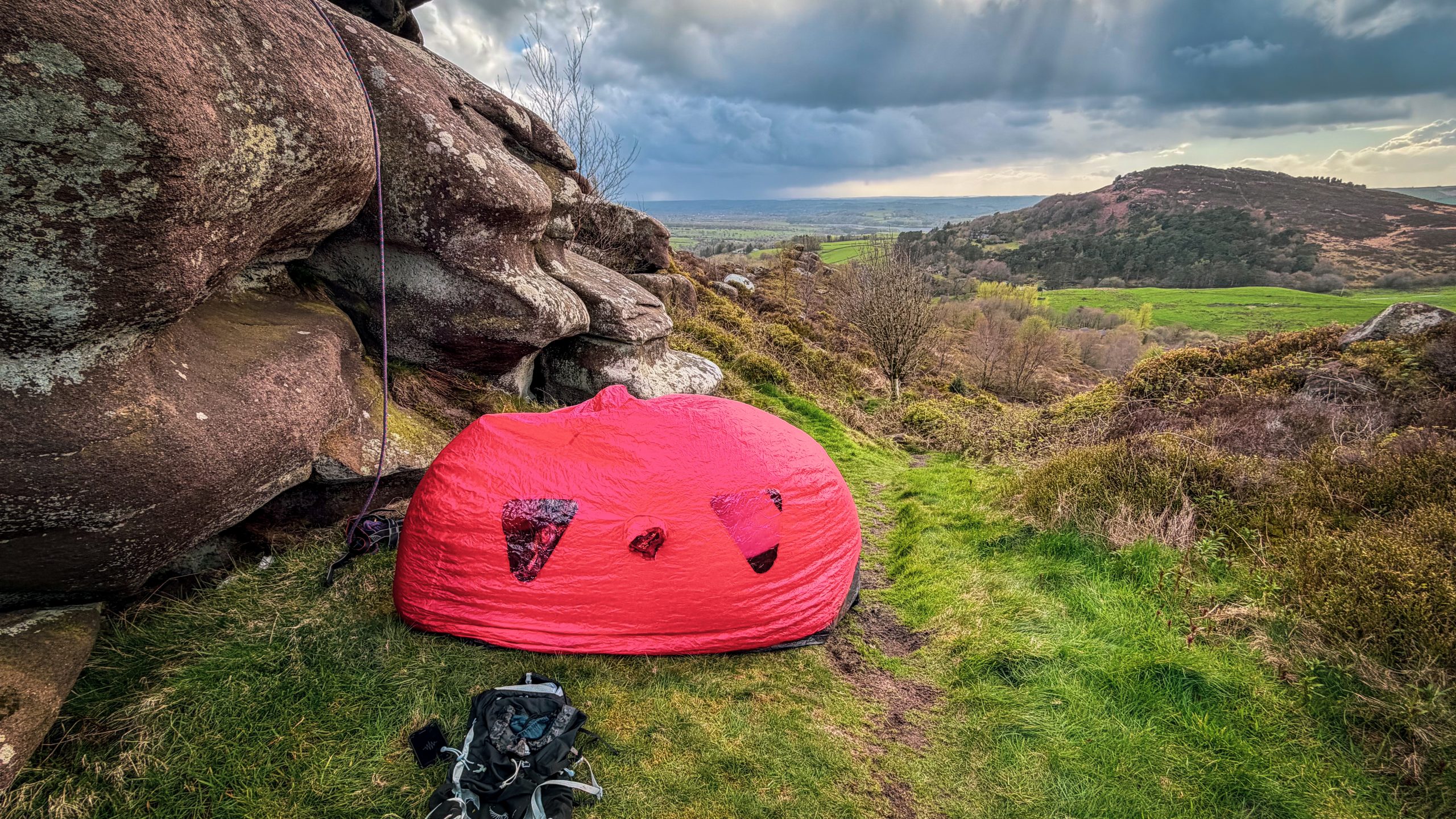
Patient protection systems
Protecting the casualty from the environment is often as important as treating the injury
We carry dedicated exposure equipment designed to keep casualties protected, insulated and stable in poor conditions while treatment and evacuation are organised.
This includes a casualty bag, storm shelter, chemical warming blankets and a full-length vacuum mattress. The vacuum mattress functions as a full body splint, immobilising and supporting the patient while moulding around their shape for protection and comfort.
We also carry practical access tools such as folding saws and bolt cutters where rapid access to difficult locations may become necessary in an emergency.
Why it matters: in exposed terrain, unmanaged heat loss, wet conditions and prolonged packaging delays can worsen the incident quickly.
Rope rescue
Capability for steep and vertical ground
When a casualty is on steep or vertical terrain, conventional evacuation is no longer an option. In those scenarios, specialist rope systems are what turn intent into safe extraction.
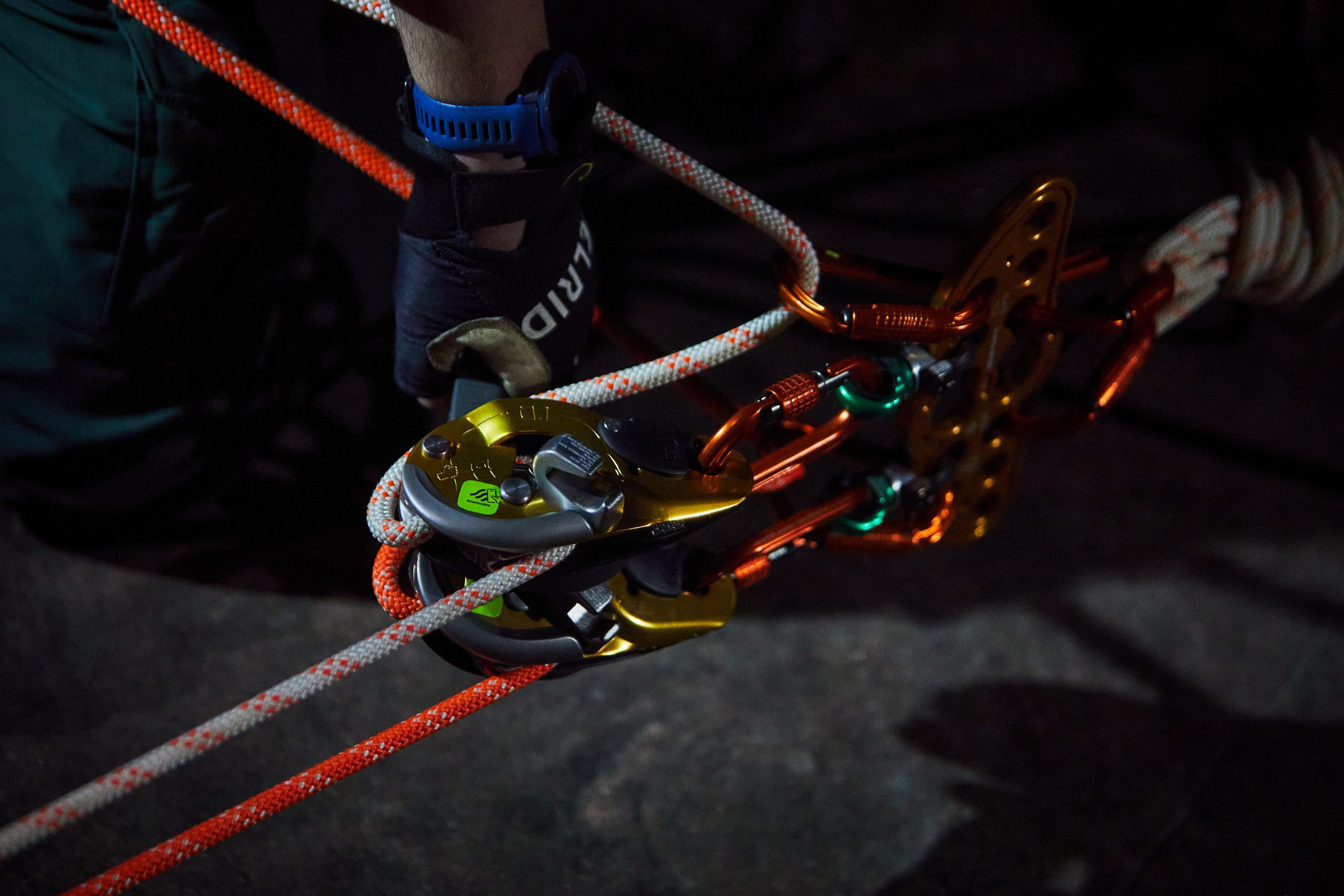
For vertical ground we carry a twin tension rope system using two 50m ropes, two Petzl I’D Evacs, pulleys and rope grabs capable of converting lowers into hauls.
In practical terms, that means operating two fully independent rope systems at the same time. This provides the redundancy and control required to protect the casualty throughout the operation.
For organisers running events across ridgelines, steep descents, gulleys, escarpments or technical mountain ground, this is not a niche capability. It can be the difference between immediate on-event action and waiting for others to resolve a foreseeable access problem.
Treatment hubs
Scalable infrastructure for larger events
For events that require a static primary treatment centre, we can deploy a large, heavy-duty gazebo configured for clinical use.
This allows for covered treatment provision, screened-off treatment bays and a more organised patient holding area, creating a credible treatment footprint even where permanent infrastructure is limited or absent.
Treatment bays
Segregated areas for assessment and treatment rather than improvised open-field layouts.
Patient flow
Better organisation for casualties, welfare presentations and operational oversight.
Shelter
Better protection for patients, clinicians and equipment when the weather turns.
Scalability
A more credible on-event treatment centre for larger, more scrutinised events.
Capability in action
Equipment matters most when the event footprint actually tests it
These capabilities are not theoretical. They sit within a wider operating model already used across technically demanding and remote events.
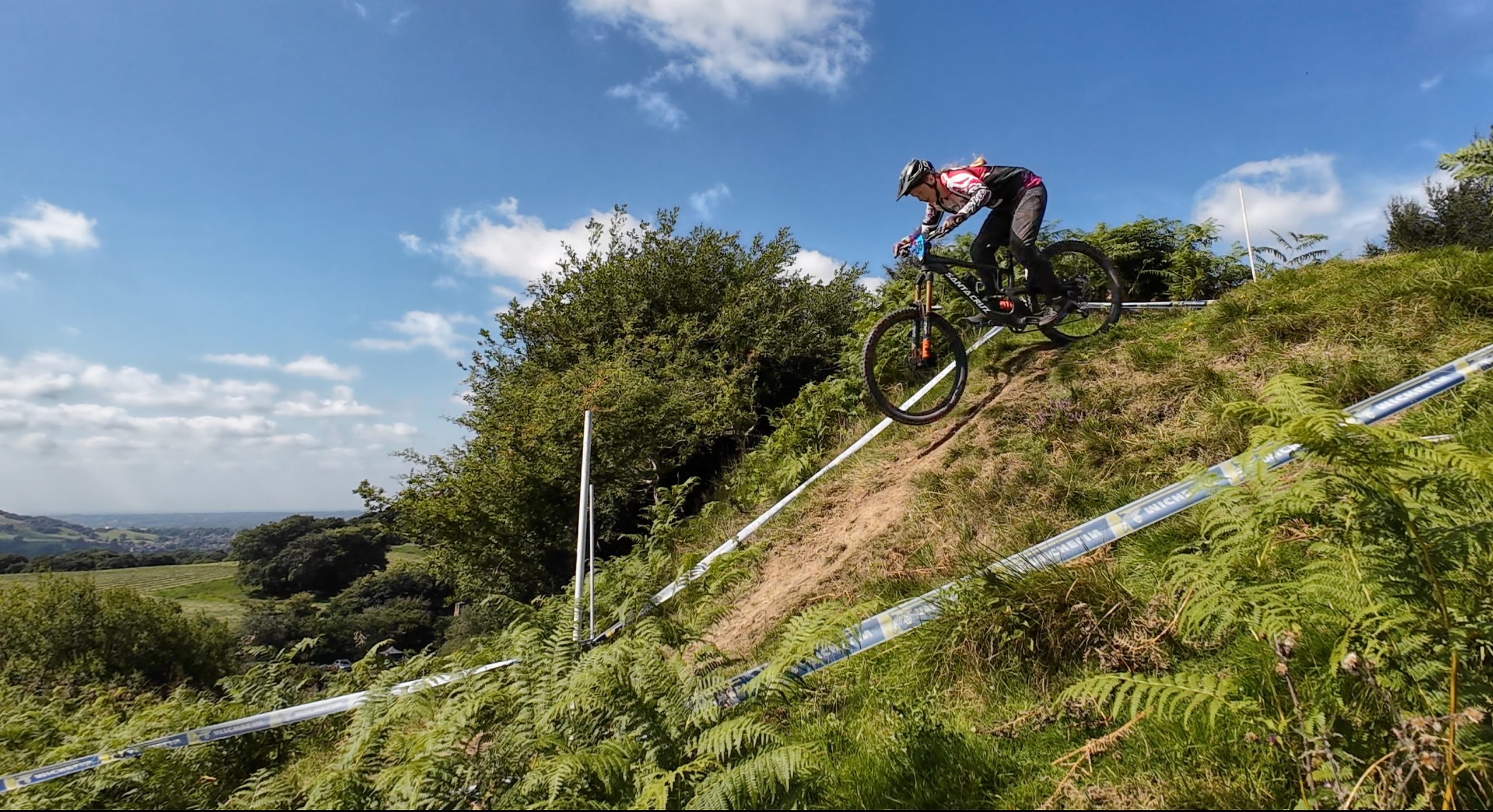
Bolly Skyline Enduro
Multi-day technical MTB event where access, terrain and sustained deployment capability shaped the medical model.
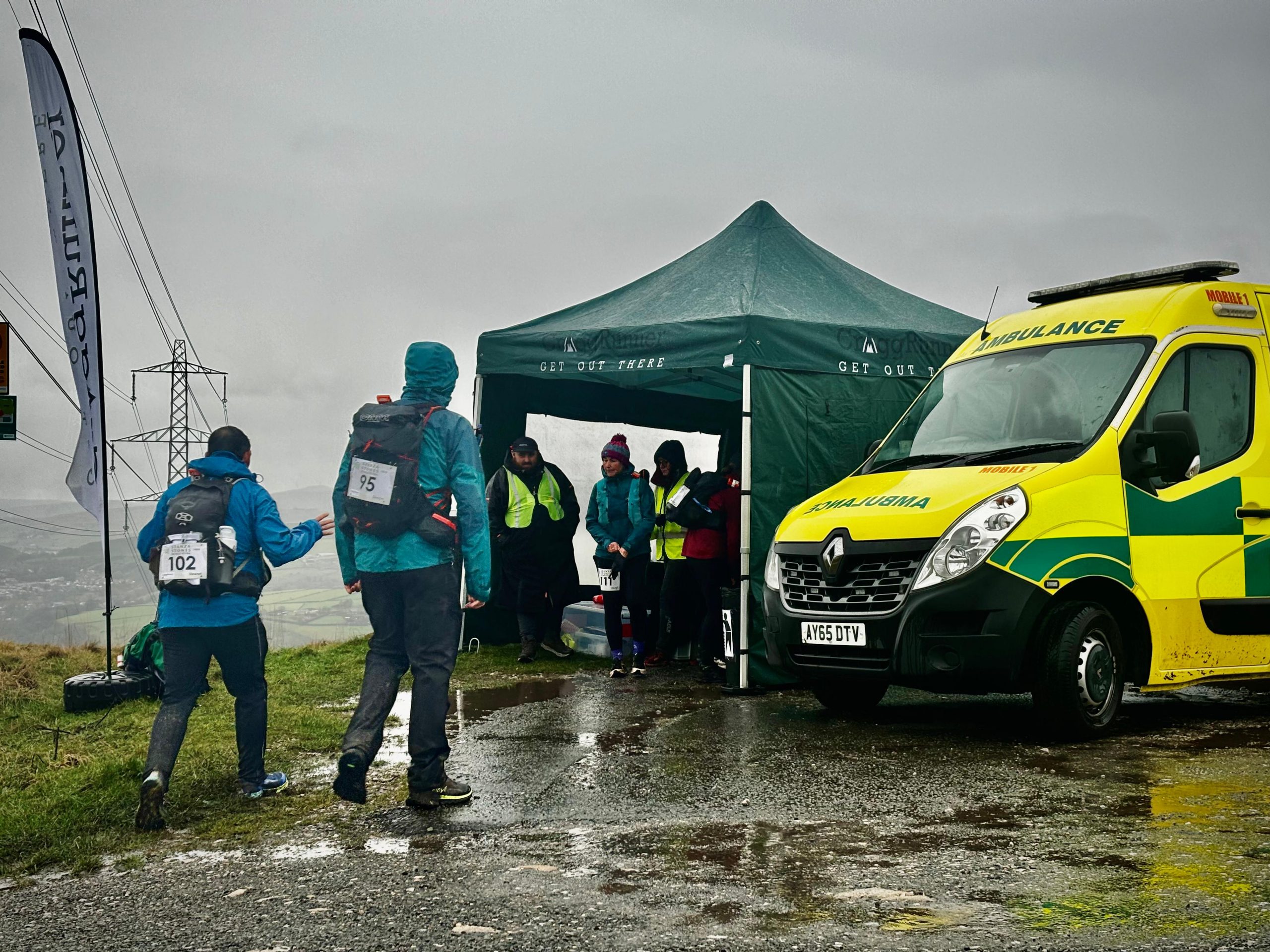
Stanza Stones Ultra
Remote ultra-distance event requiring credible planning around communications, reach and participant spread.

SkyRun Eryri
Mountain event context where steep and technical terrain changes what proportionate cover really looks like.
The wider model
Equipment is only one part of the difference
The real value comes from how specialist equipment, mountain rescue experience, clinical capability, communications and governance-led planning are integrated into one operating model.
Plan for the terrain, not just the treatment
If your event involves remote terrain, technical access, distributed participants or more serious consequence from delay, we can build a medical plan that reflects what the environment actually demands.