Focus Rides Peak District Enduro Series
Bringing specialist medical capability to technical terrain — supporting the launch of a new enduro series built in the Peak District.
Case Study Navigation
Focus Rides have built a strong reputation delivering well-organised mountain bike cross-country races across Lincolnshire, supported by local medical provision aligned to those environments.
When the team made the decision to expand into the Peak District with a new enduro series, the risk profile changed significantly. The terrain became steeper, more technical, and far less accessible — with the potential for complex extractions from remote hillside locations.
Recognising that a standard event medical model would not be sufficient, the organisers engaged Peak Medical and Rescue to support the development and delivery of their first trial event.
A Different Risk Profile
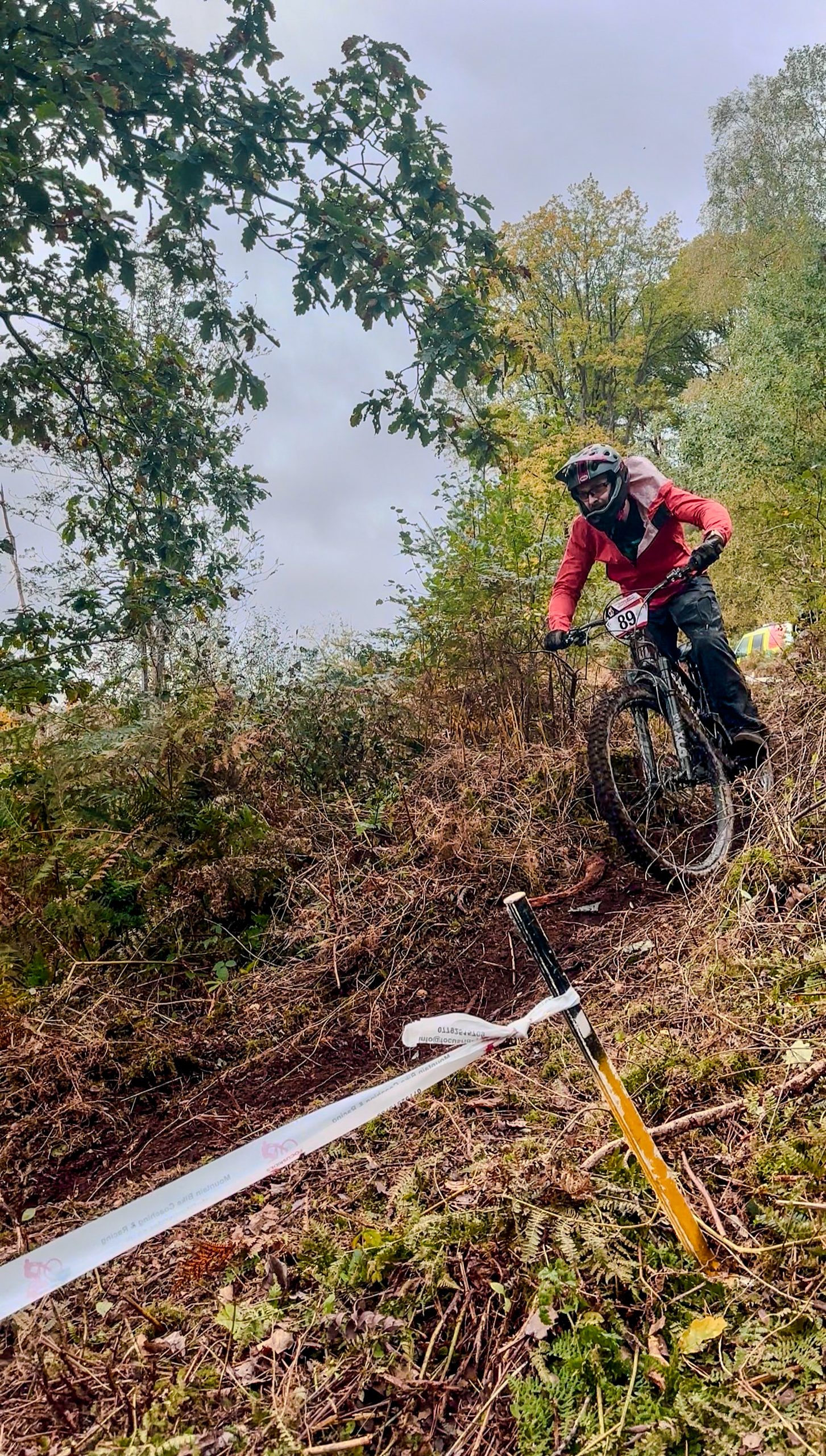
The trial event at Owler Bar, near Sheffield, introduced a fundamentally different operating environment. Riders would be navigating steep, technical descents across open moorland, with sections inaccessible to standard ambulances and limited vehicle access.
In this setting, the key risk was not simply injury occurrence — but time to access, time to treatment, and time to extraction. Any delay in reaching a casualty or removing them from terrain could significantly impact outcomes.
This required a model designed specifically for remote and technical environments, rather than adaptation of a roadside or static event approach.
A Purpose-Built Deployment Model
For the trial event, Peak Medical and Rescue deployed a layered response model designed to ensure rapid access across the full course footprint.
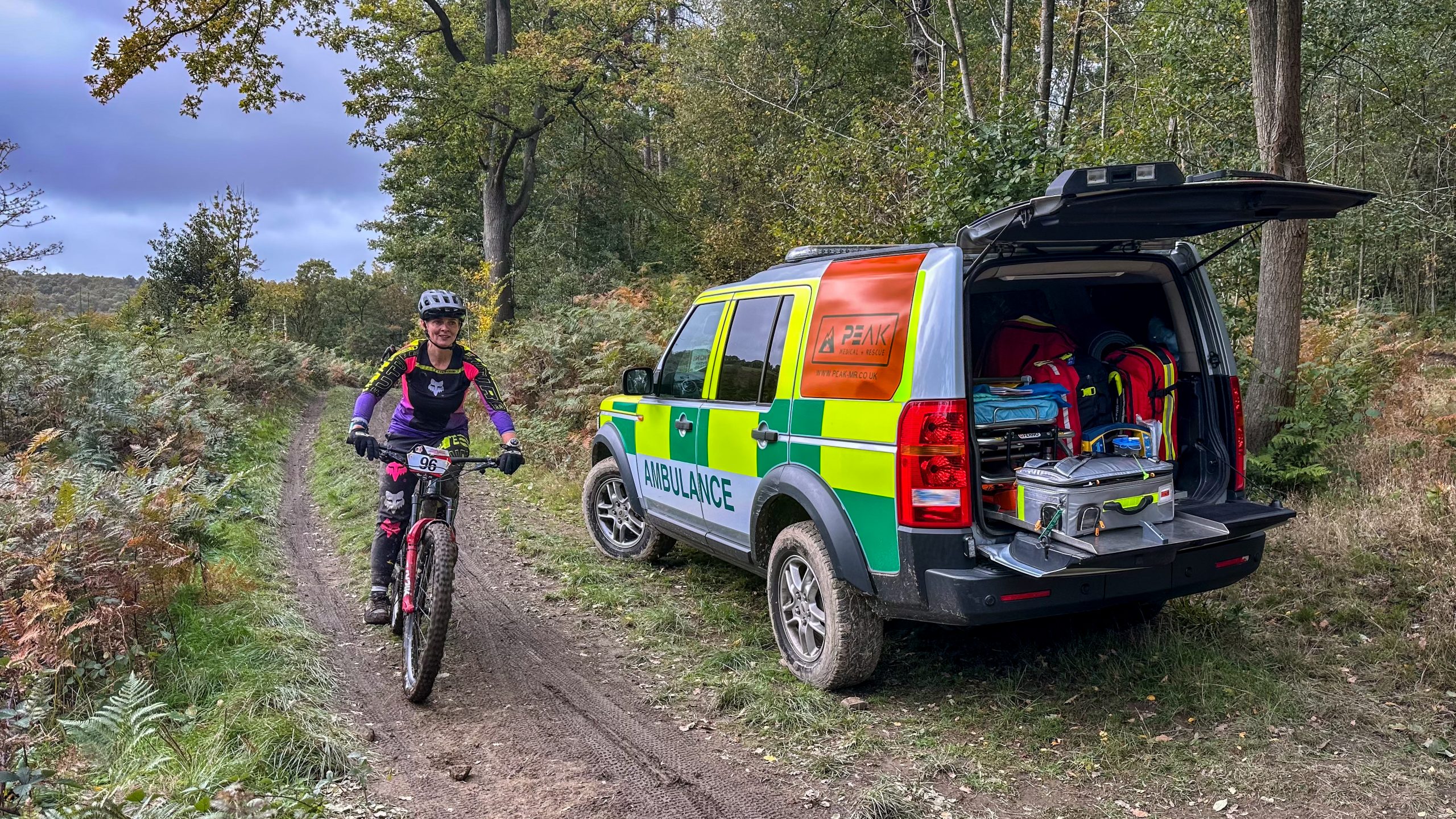
A full NHS-specification land ambulance, crewed by an Emergency Medical Technician, was positioned at race headquarters to provide a clinical treatment and transport capability.
On the course itself, a 4×4 ambulance crewed by a paramedic and Emergency Care Assistant was deployed to provide rapid response into remote sections, ensuring that advanced clinical care could reach a casualty without delay.
Additional cover at the start line ensured immediate response capability at a key congregation point.
Crucially, the team also deployed specialist mountain rescue equipment, enabling rope-based access and evacuation. This meant that casualties could be safely packaged, lowered from steep terrain in a purpose-built stretcher, and transferred directly to the waiting 4×4 ambulance for onward care.
Structured Planning, Not Assumptions
Working closely with the organisers, detailed medical plans were developed to reflect the specific risks of the course and environment.
This included clear governance structures, defined approaches to injury assessment and escalation, and pre-identified helicopter landing sites should a critical incident require aeromedical support.
The result was a plan that aligned operational capability with real-world risk — ensuring that every part of the course could be covered safely and effectively.
A Successful Launch
The trial event was a clear success, demonstrating both the viability of the course and the effectiveness of a specialist medical model in this environment.
Riders and organisers benefited from visible, capable support that matched the demands of the terrain — providing reassurance without compromising the character of the event.
Following this successful launch, Peak Medical and Rescue are now supporting Focus Rides across the full six-race Peak District Enduro Series in 2026.
Why Peak Medical and Rescue
Focus Rides needed a provider capable of doing more than simply attending the event. They needed a team able to understand the demands of technical enduro terrain, build a credible medical model around that risk, and deliver it with confidence on the day.
Our approach combined remote terrain response capability, structured medical planning and practical event integration — giving organisers confidence that the medical provision matched the reality of the course rather than a generic template.
Specialist cover for technical terrain, remote access and complex extraction risk
Related pages
See the wider model behind this delivery
This case study sits within a wider operating model combining specialist event medical cover, remote access capability and equipment designed for technically demanding environments.